Unpacking the Ethereum Upgrade:A Deep Dive into The Merge and Beyond
The world of cryptocurrency is abuzz with discussions, analyses, and anticipation surrounding the term "Ethereum upgrade" in English. While Ethereum has undergone numerous updates throughout its history, the most recent and transformative one, codenamed "The Merge," has taken center stage, marking a pivotal moment for the second-largest cryptocurrency and the broader blockchain ecosystem. This article aims to unpack what an Ethereum upgrade entails, with a special focus on The Merge, its significance, and what it means for the future.
Understanding Ethereum Upgrades: More Than Just a Patch
In the context of Ethereum, an "upgrade" refers to a fundamental change or improvement to the network's protocol. These upgrades are not merely minor patches or bug fixes; they are often substantial overhauls designed to enhance the blockchain's functionality, security, scalability, or sustainability. Unlike some blockchains that may require hard forks that split the network (resulting in two separate chains), Ethereum has historically strived to implement its upgrades through "soft forks" or, in the case of The Merge, a highly coordinated transition that maintained network continuity.
Upgrades in Ethereum are typically proposed, debated, and implemented by a global community of developers, researchers, and stakeholders. Key mechanisms like Ethereum Improvement Proposals (EIPs) detail the technical specifications of proposed changes. This collaborative, research-driven approach is central to Ethereum's evolution.
The Star of the Show: "The Merge"
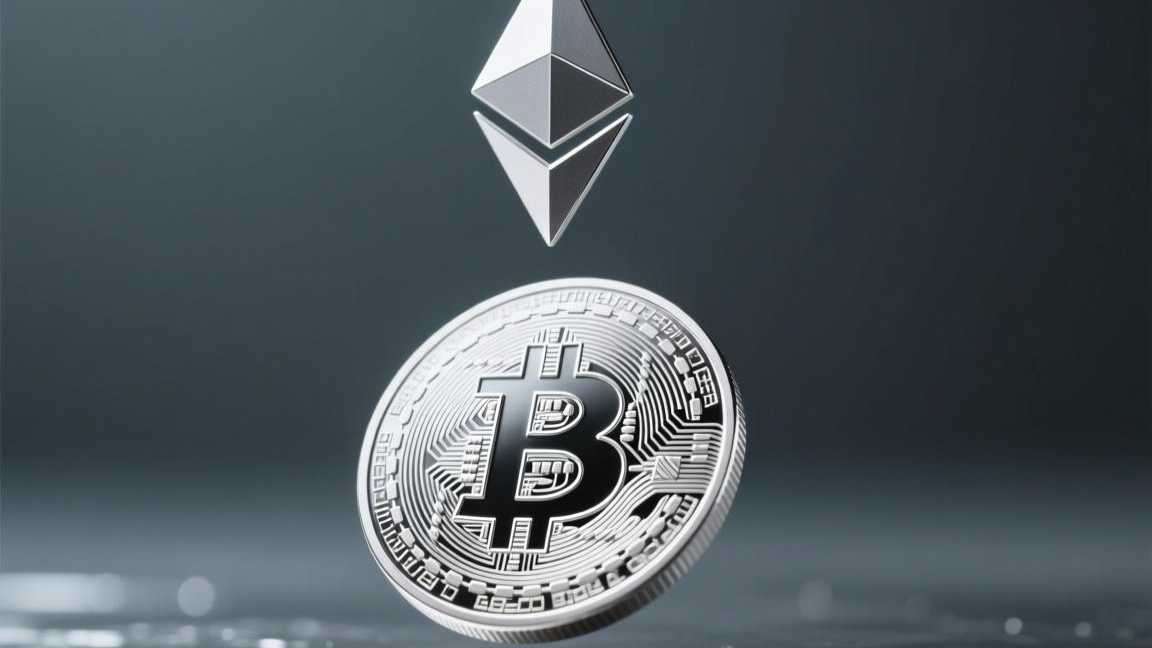
Prior to The Merge, Ethereum operated on a consensus mechanism known as Proof-of-Work (PoW). This is the same mechanism used by Bitcoin, where "miners" compete to solve complex mathematical puzzles to validate transactions and add new blocks to the blockchain. While PoW is secure, it is notoriously energy-intensive, raising significant environmental concerns.
The Merge, which officially occurred in September 2022, was the transition from Proof-of-Work to Proof-of-Stake (PoS). This was not a single event but the culmination of years of development and multiple upgrade phases (including the Beacon Chain launch in December 2020).
So, what is Proof-of-Stake? In a PoS system, the process of validating transactions and creating new blocks is no longer dependent on computational power. Instead, it is carried out by "validators" who "stake" (lock up) a certain amount of their own ETH as collateral. These validators are then chosen to propose and attest to new blocks based on various factors, including the amount of ETH staked and how long they have been staking. This shift dramatically reduces the energy consumption of the Ethereum network, with estimates suggesting a reduction of over 99% in energy use post-Merge.
Significance and Impact of The Merge
The significance of The Merge cannot be overstated. Its primary impacts include:
- Enhanced Sustainability: Drastic reduction in energy consumption addresses one of the most critical criticisms of Ethereum and Proof-of-Work in general, paving the way for a more environmentally friendly blockchain.
- Improved Security and Decentralization: Proof-of-Stake is designed to be more secure against certain types of attacks (e.g., 51% attacks) and, in theory, can be more accessible to individual participants, potentially enhancing decentralization by lowering the barrier to entry for validation compared to the expensive mining hardware required for PoW.
- Foundation for Future Scalability: The Merge was not primarily about increasing transactions per second (TPS), but it laid the essential groundwork for subsequent upgrades aimed at scalability. With PoS in place, Ethereum can now more effectively implement technologies like sharding (dividing the network into smaller, more manageable pieces to process transactions in parallel).
- Economic Shifts: The Merge altered the economic incentives within the Ethereum ecosystem. Miners were phased out, while validators became the new key players. Staking ETH became a way to earn rewards, opening up new opportunities for investors and participants.
Beyond The Merge: The Road Ahead
The Merge was a monumental step, but it was not the end of Ethereum's upgrade roadmap. Future upgrades are already in motion, each targeting specific improvements:
- Sharding: This is perhaps the most anticipated next major upgrade. By splitting the Ethereum blockchain into multiple "shards," each capable of processing its own transactions and smart contracts, sharding aims to significantly increase the network's throughput and reduce transaction fees.
- Verkle Trees: This cryptographic upgrade is designed to improve the efficiency of data storage and verification on the Ethereum blockchain, further enhancing scalability and reducing the computational requirements for running nodes.
- EIP-4844 (Proto-Danksharding): A precursor to full sharding, this upgrade introduces "blob-carrying transactions" to lower the cost of Layer 2 solutions, which are built on top of Ethereum to improve scalability.
Conclusion
The term "Ethereum upgrade" in English encapsulates a continuous, ambitious journey to refine and revolutionize a blockchain that powers a vast ecosystem of decentralized applications (dApps), non-fungible tokens (NFTs), and decentralized finance (DeFi). The Merge stands as a landmark achievement, transitioning Ethereum to a more sustainable, secure, and scalable foundation. As the Ethereum community looks towards the future with upgrades like sharding on the horizon, it's clear that Ethereum's evolution is far